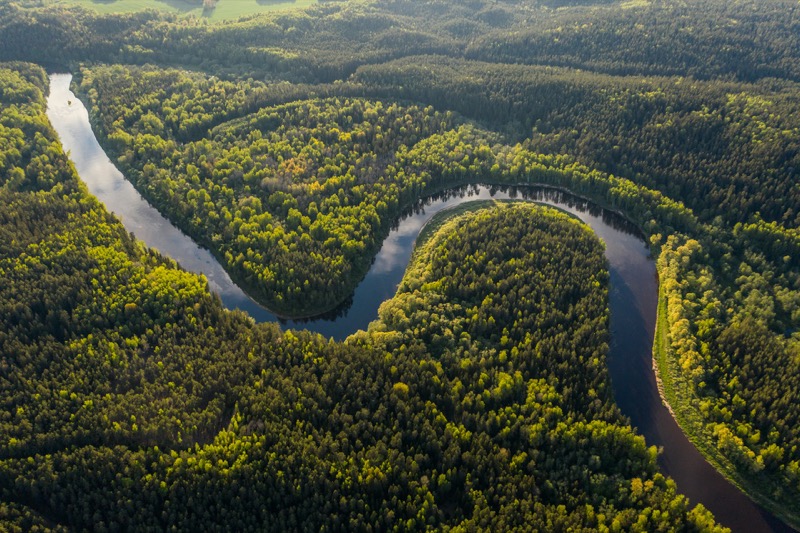
For thousands of years, the indigenous peoples of the Amazon have turned to the rainforest for healing. Not in the way modern pharmacies dispense pills. Something far older. Something rooted in relationship, reverence, and deep listening to the natural world.
Plant medicine is the broad term for this tradition. It refers to the use of sacred plants, prepared and administered by trained healers known as curanderos, within ceremonial and dietary contexts. These plants are not taken casually. They are approached with intention, respect, and guidance from those who have spent decades learning their properties.
A Living Tradition
The Amazon basin is home to more than 80,000 plant species. Indigenous communities, particularly the Shipibo people of Peru, have developed sophisticated systems of knowledge around these plants over millennia. This is not folk wisdom in the dismissive sense. It is a complete medical paradigm with its own diagnostic methods, treatment protocols, and specialists.
In the Shipibo tradition, healing is understood as the restoration of balance. Illness, whether physical, emotional, or spiritual, is seen as a disruption in the energetic body. Plant medicine works to restore that balance through ceremony, through the dieta (a strict dietary and behavioral protocol), and through the guidance of the curandero.
How Plant Medicine Works
The Western model of medicine isolates active compounds and targets specific symptoms. Plant medicine takes a different approach. The whole plant is used. The relationship between the person and the plant matters. The setting, the songs (icaros), the intention all form part of the healing.
Ceremony is the central container. In a traditional ceremony, participants gather in a ceremonial space called a maloca. The curandero opens the space with prayer and song. The plant medicine is served. What follows is deeply personal. Some people experience vivid inner visions. Others feel physical sensations or emotional releases. Many describe a sense of being shown something about themselves they could not access on their own.
The healing does not end when the ceremony does. Integration, the process of making sense of the experience and applying its lessons, is considered just as important as the ceremony itself.
What Plant Medicine Is Not
Plant medicine is not a quick fix. It is not a weekend escape. It is not recreation. The traditions that hold this medicine are thousands of years old and carry specific protocols for safety and efficacy.
Seekers who approach with humility and genuine desire for healing tend to have the most meaningful experiences. Those looking for a shortcut or a thrill often find the medicine unforgiving. The plants, as curanderos describe it, have their own intelligence. They meet you where you are.
The Role of the Curandero
No discussion of plant medicine is complete without understanding the curandero. These are the trained healers who have undergone years, sometimes decades, of rigorous dietas with master plants. They learn the icaros. They develop the sensitivity to read the energetic body. They hold the ceremonial space.
Working with plant medicine outside of this traditional container carries real risks. The curandero is not optional. They are the guide, the protector, and the translator between the human and the plant world.
Who Seeks Plant Medicine
People come to plant medicine from all walks of life and for many reasons. Some carry trauma they have not been able to resolve through conventional therapy. Others are searching for spiritual direction. Many are dealing with grief, anxiety, depression, or a sense of disconnection from purpose.
What unites most seekers is a feeling that something is missing. That the tools they have tried so far have not reached the root. Plant medicine, within the proper traditional context, offers a path to that root.
Starting the Journey
If you are considering plant medicine, start with education. Read about the Shipibo tradition. Understand what a dieta involves. Learn how to choose a retreat that honors the tradition and prioritizes your safety.
The path of plant medicine is not for everyone. But for those who feel called, it can be one of the most profound healing experiences available. The Amazon has been offering this gift for thousands of years. The invitation is open.
To learn more about beginning your journey with Mai Niti Alternative, visit mainiti.org.
A Path Worth Walking Carefully
Plant medicine is not for everyone, and it is not a casual undertaking. But for those who feel genuinely called to this path, who have done their research, who approach with humility and respect for the traditions that carry it, the potential for deep and lasting transformation is real. Thousands of years of continuous practice by indigenous healers is not a trend or a fad. It is a proven system of healing that has survived precisely because it works. The question is not whether plant medicine is powerful. The question is whether you are ready to meet that power with the seriousness, preparation, and commitment it deserves.