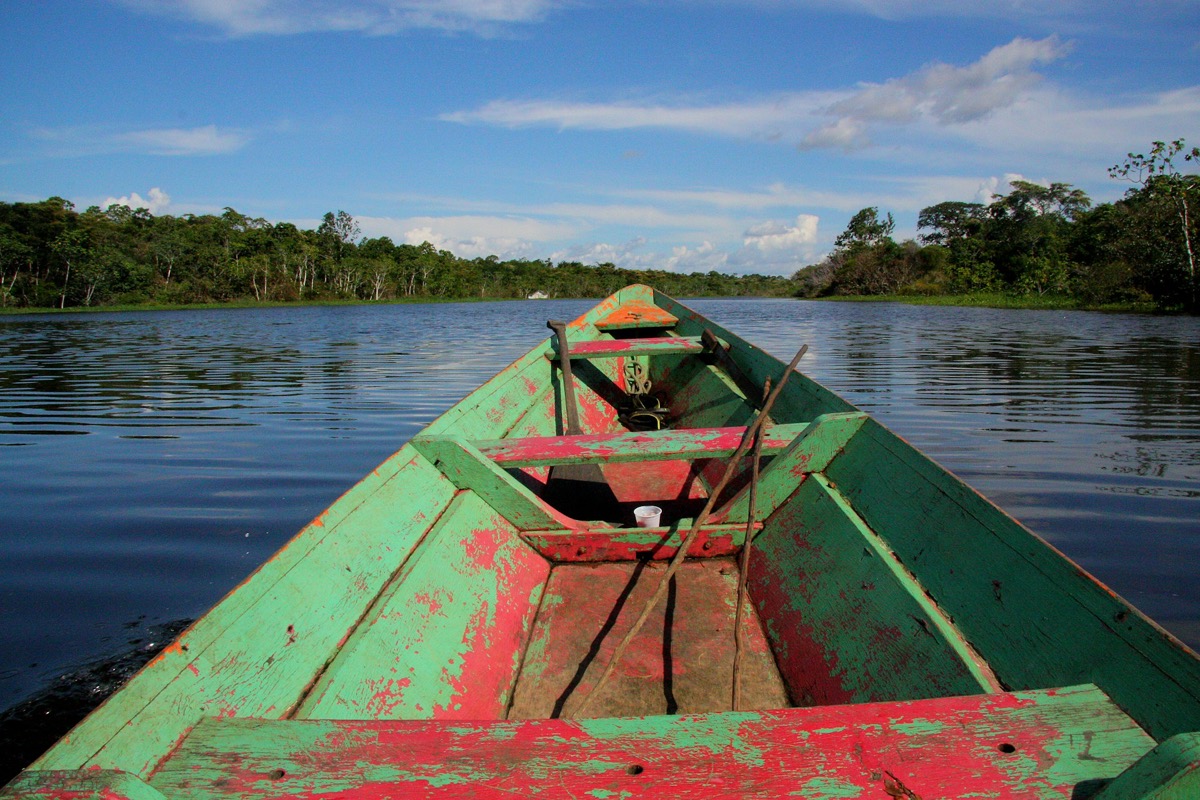
The Amazon rainforest covers roughly 5.5 million square kilometers. It contains an estimated 80,000 plant species. Of those, indigenous communities have identified medicinal uses for thousands. Western science has studied a fraction. The jungle holds more pharmaceutical potential than all the laboratories in the world combined.
A Library of Living Medicine
Walk through the Amazon with a Shipibo elder and the forest transforms from a wall of green into a living pharmacy. This vine reduces inflammation. That bark treats intestinal parasites. These leaves heal wounds. That resin stops bleeding. The knowledge is specific, detailed, and time tested.
Indigenous plant knowledge is not guesswork. It is the result of thousands of years of systematic observation, experimentation, and transmission across generations. The dieta system itself is a method for developing deep relationship with individual plants, learning their properties not just through observation but through direct experience.
Master Plants
Within the Shipibo healing tradition, certain plants are designated as "master plants" or "teacher plants." These are plants that, when dieted properly under the guidance of a curandero, are believed to teach the dietero directly. They appear in dreams. They communicate through physical sensations. They bestow icaros.
Master plants include trees like the noya rao, chiric sanango, and bobinsana. Each has specific properties and teachings. Noya rao is known as the "tree of light" and is associated with spiritual clarity. Chiric sanango works with cold conditions in the body and builds resilience. Bobinsana opens the heart and is often one of the first plants an apprentice diets.
Medicinal Plants in Daily Use
Beyond the master plants used in ceremonial contexts, Shipibo families use dozens of plants for everyday health care:
- Cat's claw (uña de gato): An immune system booster and anti inflammatory that has gained recognition in Western herbal medicine
- Sangre de grado (dragon's blood): A red tree resin used to treat wounds, ulcers, and infections
- Matico: A plant used for respiratory conditions and wound healing
- Chuchuhuasi: A bark used for joint pain, back pain, and as a general tonic
- Piñon blanco: Used for skin conditions and spiritual cleansing
Western Science Catches Up
Pharmaceutical companies have long known the Amazon's value. An estimated 25% of Western pharmaceuticals have their origins in rainforest plants. But the relationship between indigenous knowledge and corporate interests has been fraught with exploitation.
Biopiracy, the practice of patenting traditional knowledge without compensation to indigenous communities, remains a serious concern. The intellectual property of the Amazon belongs to the people who developed it. Any ethical engagement with Amazonian plant medicine must reckon with this reality.
More recently, collaborative research models have emerged that involve indigenous communities as partners rather than subjects. These models offer a more ethical path forward, one that respects traditional knowledge while advancing scientific understanding.
The Threat to the Pharmacy
Every year, thousands of square kilometers of Amazon rainforest are destroyed. When a patch of jungle falls, it does not just lose trees. It loses the medicinal plants within it. It disrupts the ecosystems those plants depend on. And it erodes the indigenous communities whose knowledge makes the pharmacy legible.
Deforestation, climate change, and cultural assimilation are the three greatest threats to Amazonian plant medicine. Protecting the tradition means protecting the forest and the people within it.
The Healing Happens in Relationship
Perhaps the most important lesson the Amazon teaches is that healing is relational. The plants do not work in isolation. They work within ecosystems of mutual support, pollination, mycorrhizal networks, water cycles. The Shipibo tradition mirrors this understanding. Healing happens in relationship: between healer and patient, between human and plant, between the individual and the community.
When you come to the Amazon for healing, you are entering into that web of relationships. You are not just taking medicine. You are joining a conversation that has been ongoing for millennia.
At Mai Niti Alternative, we operate within the Amazon, in the Pucallpa and Yarinacocha area, surrounded by the living pharmacy that makes this work possible. Learn more at mainiti.org.